Atholville, Nouveau-Brunswick,
le berceau d’une équipe guidée par le jeu
 Nos méthodes de fabrication
Tant pour la sécurité de notre équipe, des enfants et des utilisateurs de nos modules de jeux que pour l’environnement, nous avons mis au point des méthodes de fabrication qui respectent les normes les plus élevées de l’industrie.
 Nos certifications
Nos procédés de fabrication et nos normes de gestion s’appuient notamment sur les normes ISO, du Bureau canadien de soudage et de l’International Play Equipments Manufacturer Association (IPEMA).
 Des distributeurs et installateurs partout au Canada
Nous travaillons avec des collaborateurs qui distribuent et installent nos modules et aires de jeux partout au pays.
Nous nous assurons que ceux-ci respectent les normes et standards de KanGoRoo et de l’International Play Equipment Manufacturers Association (IPEMA).
Nous garantissons la qualité de nos produits peu importe où se trouve votre communauté.
 Notre équipe guidée par le jeu
Sylvain Lebel
Président
Nicole Glassford
Directrice des ventes
Oleg Pogorilyi
Concepteur en chef
Remi Landry
Superviseur d’atelier


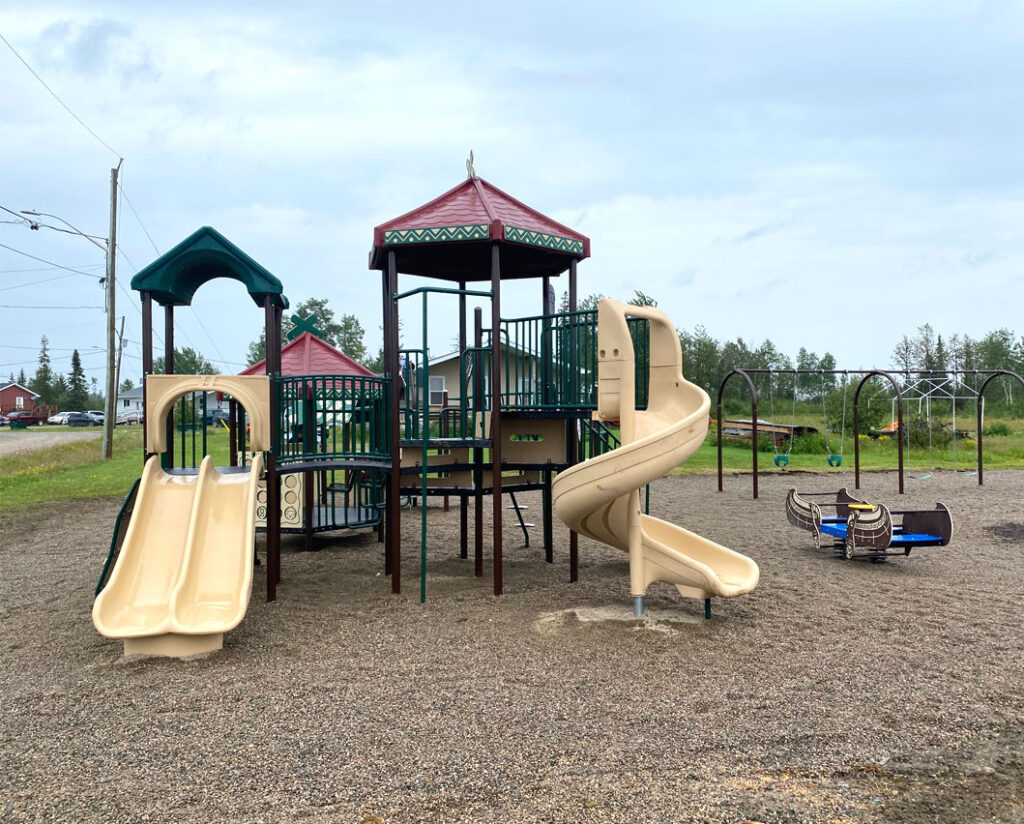
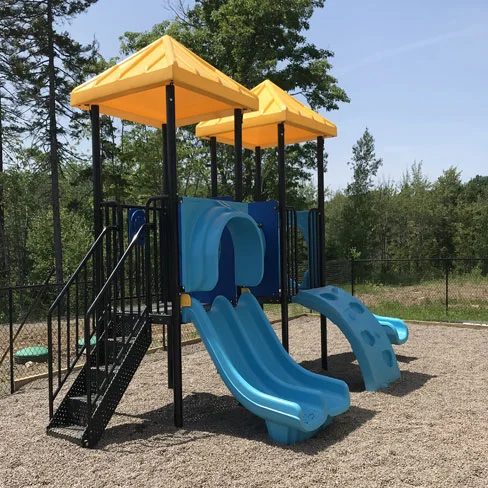
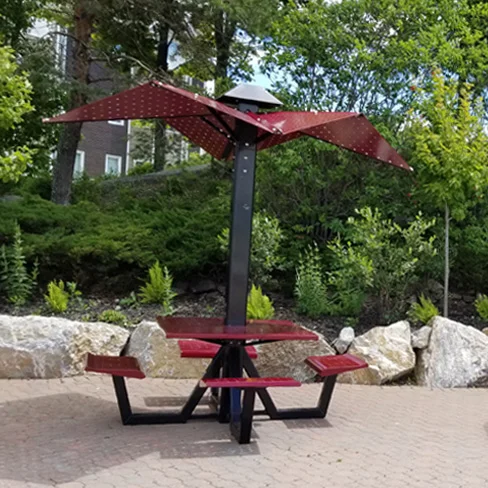
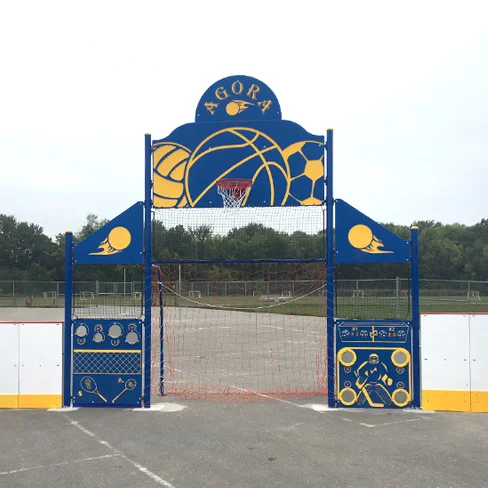
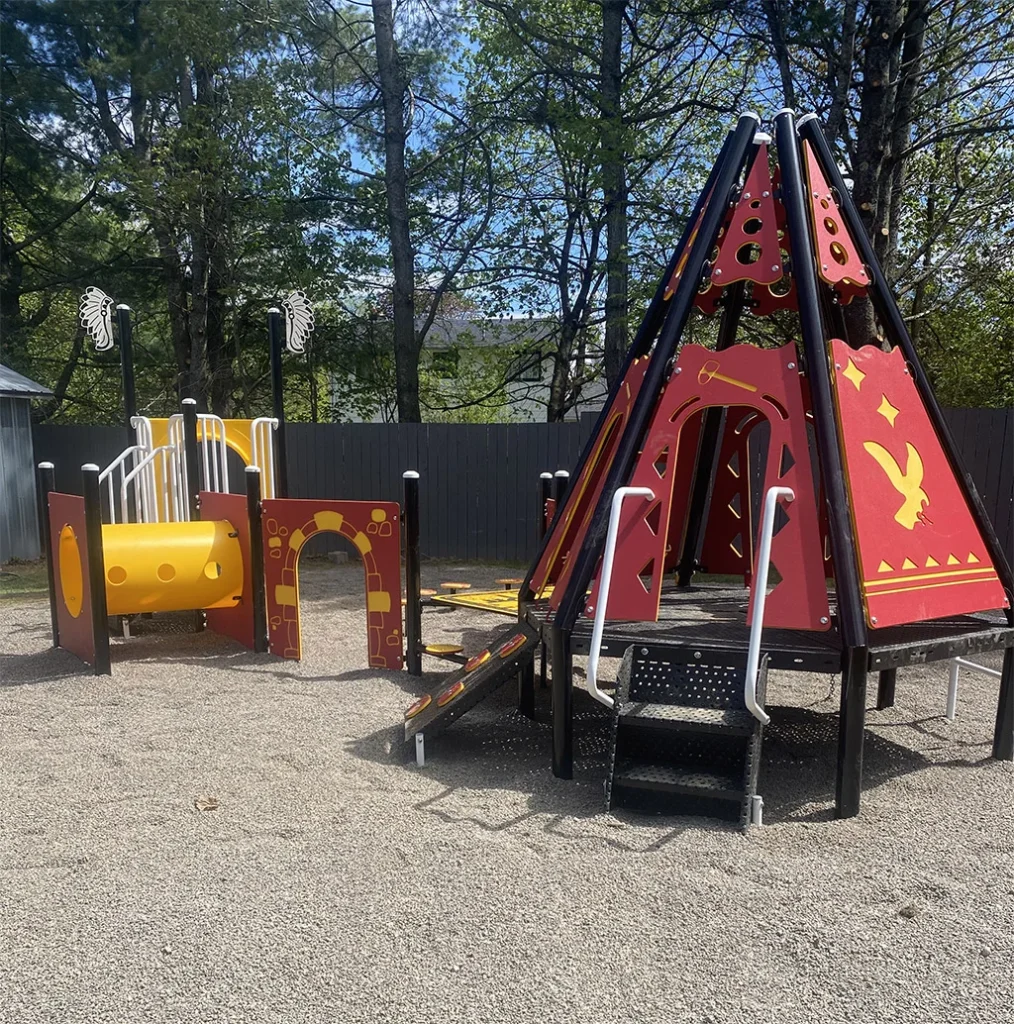
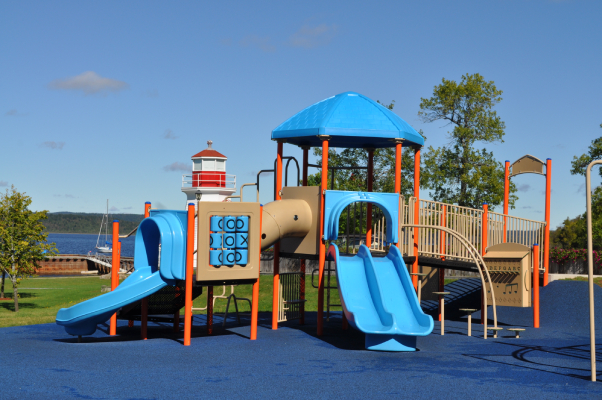
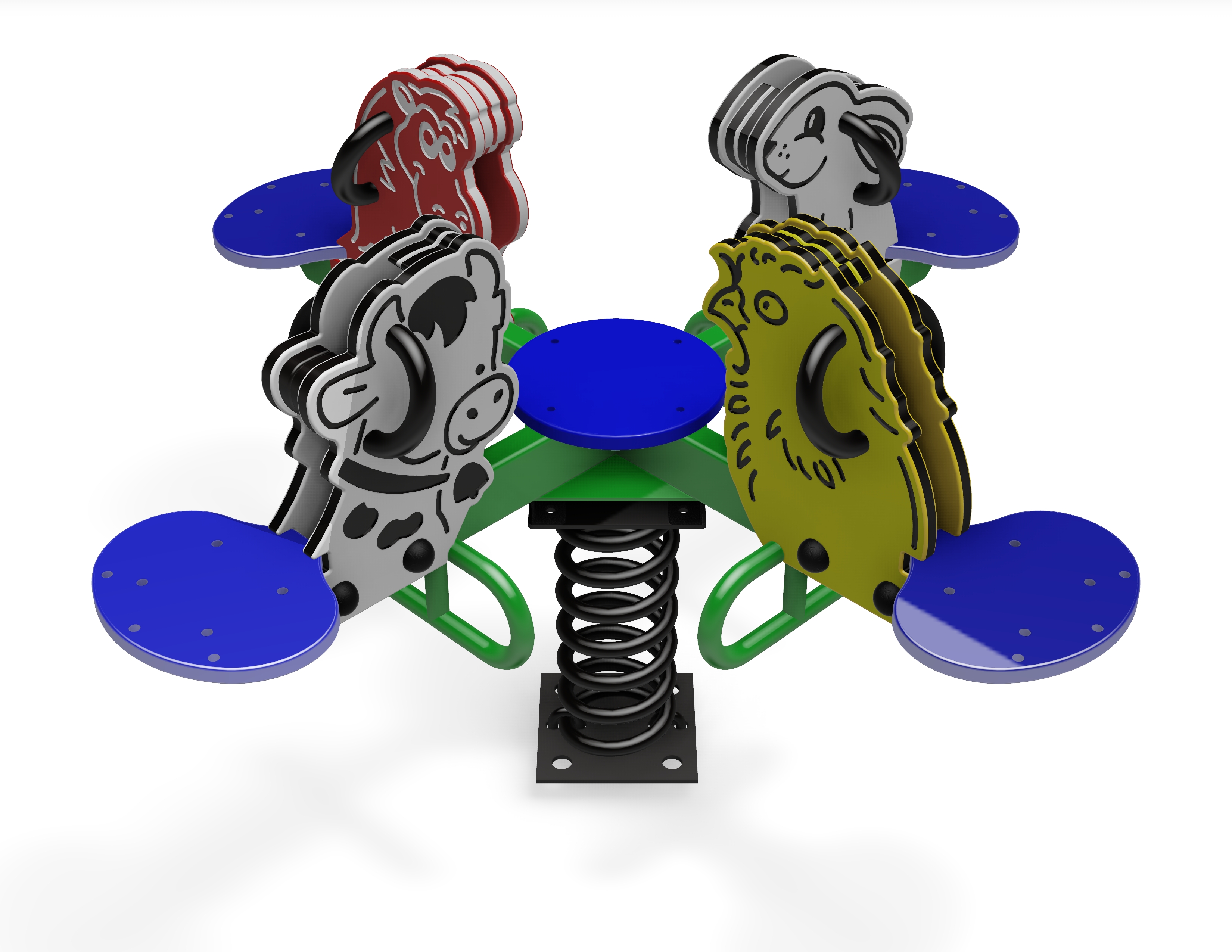
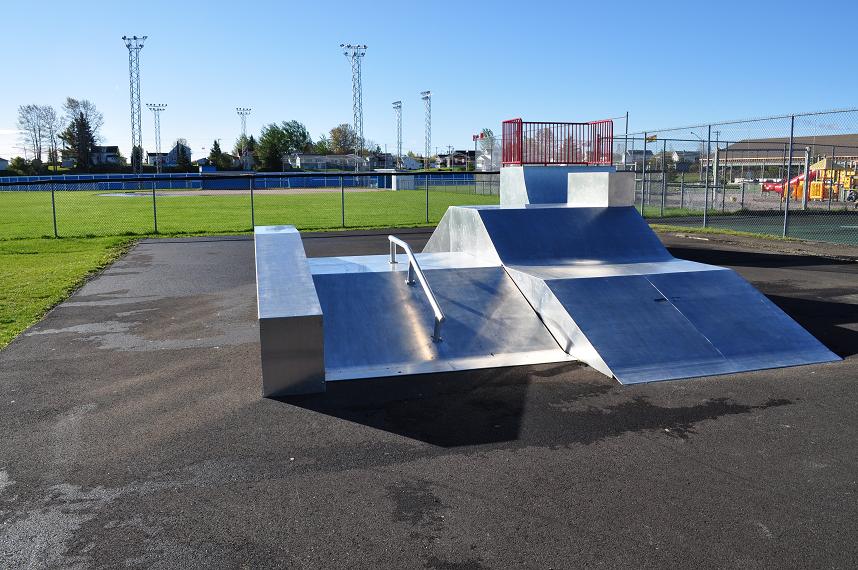
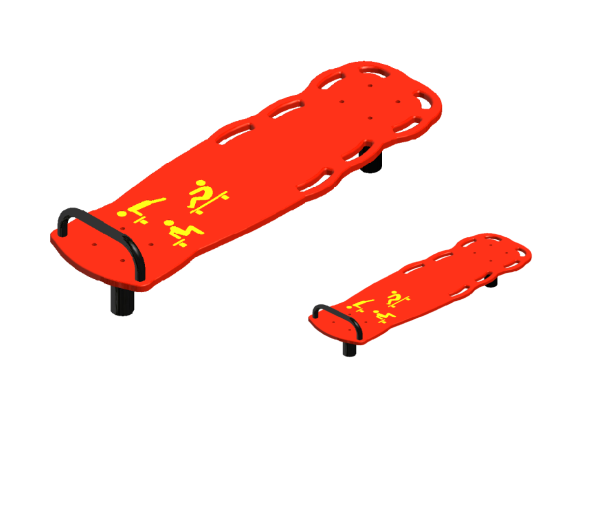
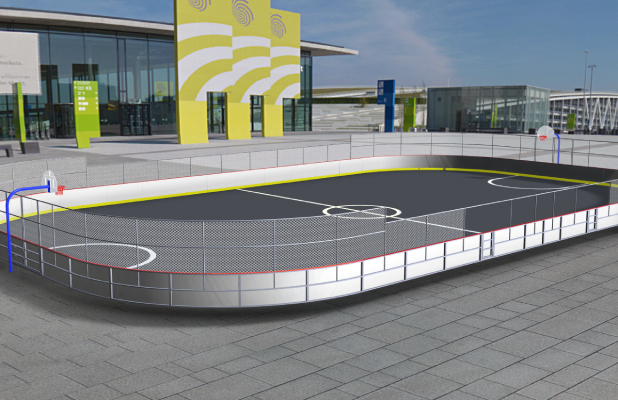
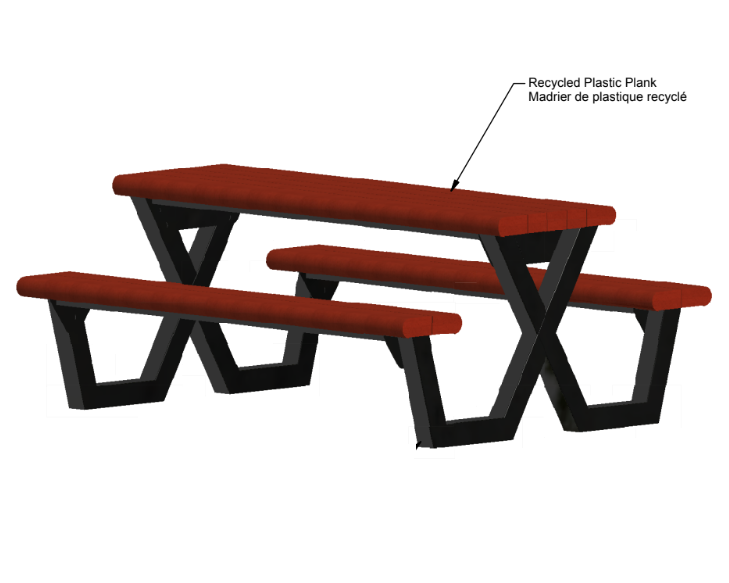
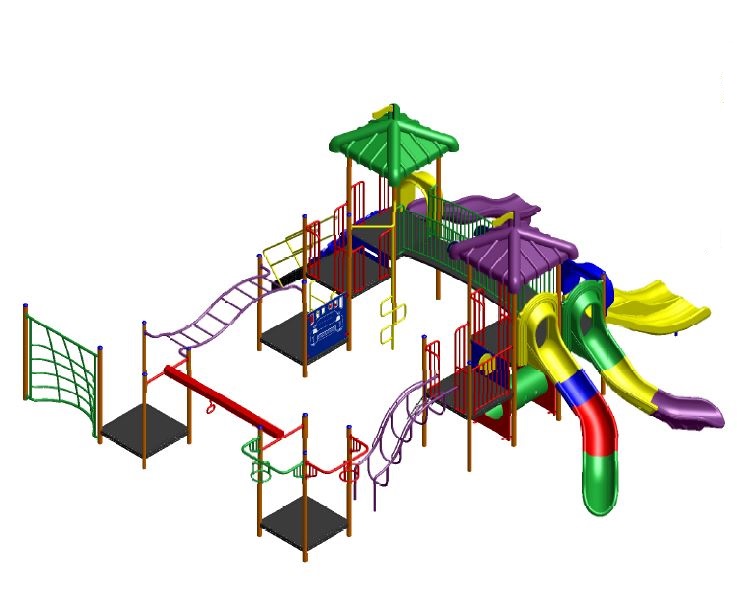
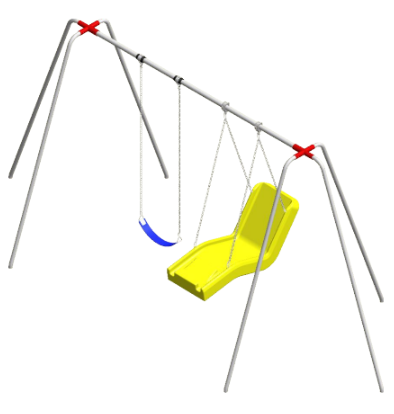
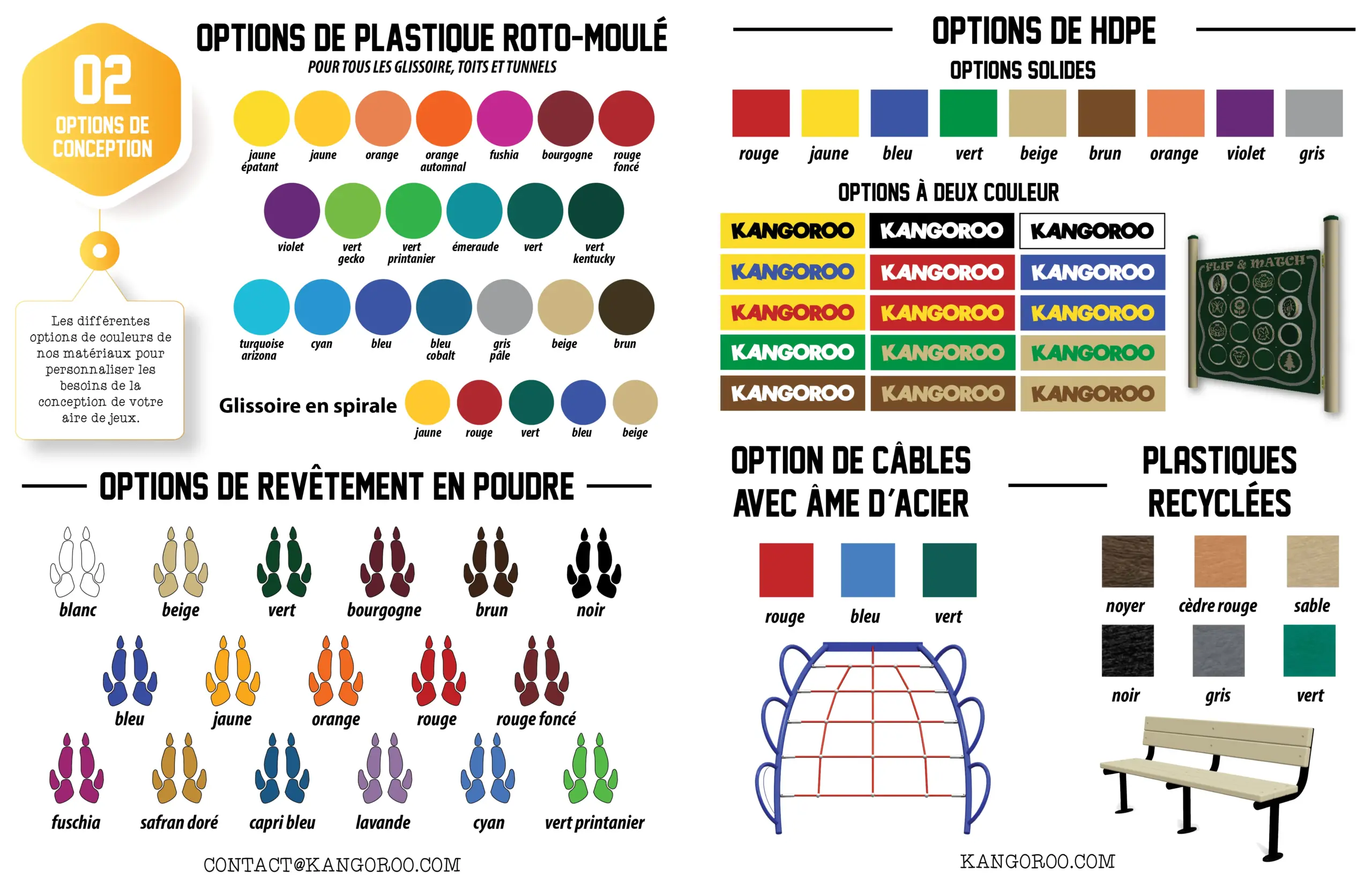
 Différentes options de couleurs pour nos modules de jeux